
Food And Drink in France
Understanding French Food & Drink Costs
This comprehensive France food and drink guide begins by demystifying the typical expenses travelers can expect for daily essentials. A traditional baguette, a staple of French life, generally costs between €1.10 and €1.50, making it an incredibly affordable and delicious snack or accompaniment to any meal. For your morning caffeine fix, a standard espresso, known as a ‘café court,’ in a French café typically ranges from €2.00 to €3.50, varying slightly between bustling city centers and quieter provincial towns.
Dining out offers a spectrum of prices, but savvy travelers can significantly reduce costs by embracing local customs. A ‘Formule Midi’ or ‘Plat du Jour,’ a fixed-price lunch menu commonly found in bistros, provides excellent value, usually costing between €15 and €25. This option often includes a starter and main course, or a main course and dessert, offering substantial savings compared to ordering items à la carte.
Regarding service, it is crucial to understand that a service charge, ‘service compris’ at 15%, is legally included in all restaurant bills across France. While additional tipping is not mandatory, it is certainly appreciated for exceptional service; many patrons choose to round up the bill or leave an extra €2 to €5 as a gesture of gratitude.

Must-Try French Dishes, Cheeses & Wines
Exploring the culinary landscape is central to any France food and drink guide, revealing a rich tapestry of flavors and textures. Indulge in iconic traditional dishes such as the hearty Coq au Vin, the rich Boeuf Bourguignon, or the comforting Croque Monsieur. For dessert, the delicate Crème brûlée, exquisite Macarons from renowned establishments like Ladurée (laduree.fr) and Pierre Hermé (pierreherme.com), and the classic Tarte Tatin are absolute must-tries that define French patisserie.
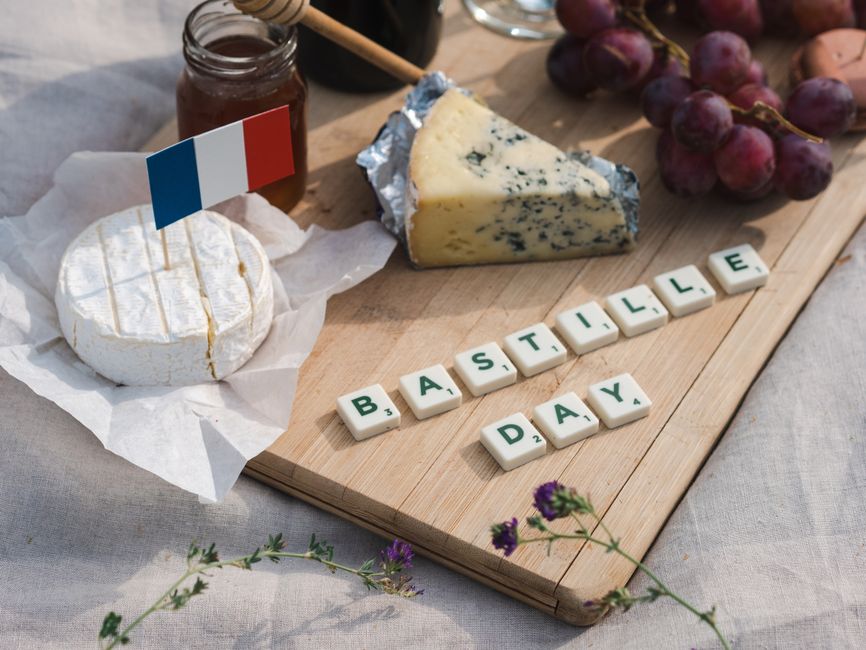
France’s cheese heritage is unparalleled, boasting over a thousand varieties. Be sure to sample popular cheese varieties like the nutty Comté, the creamy Brie de Meaux, the pungent Roquefort, and the earthy Camembert de Normandie. These cheeses are best enjoyed with a fresh baguette and a glass of regional wine, offering a true taste of French terroir.
The country’s wine regions are globally celebrated, each producing distinct and exceptional vintages. Discover the robust reds of Bordeaux and Burgundy, the sparkling elegance of Champagne, the spicy notes from the Rhône Valley, the crisp whites of the Loire Valley, and the aromatic wines of Alsace. Asking for ‘vin en carafe’ in bistros provides a good quality house wine at a considerably lower price than bottled options, served by the quarter-liter, half-liter, or liter.
French Dining Etiquette & Insider Tips
To truly immerse yourself in the French dining experience and save significantly, always prioritize seeking out ‘Formule Midi’ or ‘Plat du Jour’ menus for lunch. These fixed-price options, often displayed on chalkboards outside bistros, provide a complete meal at a fraction of the cost of ordering individual dishes, making them a smart choice for budget-conscious foodies.
A crucial insider tip is to avoid tourist trap restaurants situated directly near major attractions. Instead, venture a few blocks away from the main sights and look for establishments filled with locals; these often feature handwritten menus outside, indicating authenticity and better value. Such places typically offer a more genuine culinary experience and superior quality for your investment.
When enjoying a meal in a traditional bistro, do not hesitate to request ‘vin en carafe,’ which is house wine served in a carafe. This option is not only considerably cheaper than bottled wines but also frequently offers excellent quality, allowing you to savor local flavors without overspending. Remember, while service is included, a small additional tip for outstanding service is always appreciated.
Practical Information for Foodies in France
Understanding key practicalities enhances any culinary journey through France. The legal drinking age for both the purchase and consumption of alcohol in France is 18 years old, a regulation strictly enforced across the country. Planning your meals and visits around local schedules can greatly improve your experience and access to fresh, authentic products.
Boulangeries, the heart of French daily life, typically open between 6:30 AM and 7:00 AM, ensuring fresh bread for early risers, and generally close around 7:00 PM to 8:00 PM. Most boulangeries observe one closing day per week, commonly on a Monday or Tuesday, so it is wise to check local schedules to avoid disappointment when seeking your daily baguette.
For those seeking the pinnacle of French gastronomy, consult esteemed guides such as the Michelin Guide (guide.michelin.com) and Gault & Millau (gaultmillau.fr). These resources provide meticulously curated lists of restaurants, from casual bistros to three-star establishments, ensuring you find exceptional dining experiences. This France food and drink guide aims to equip you with all the essential knowledge for an unforgettable gastronomic adventure.